Understanding Mini LED TV Technology
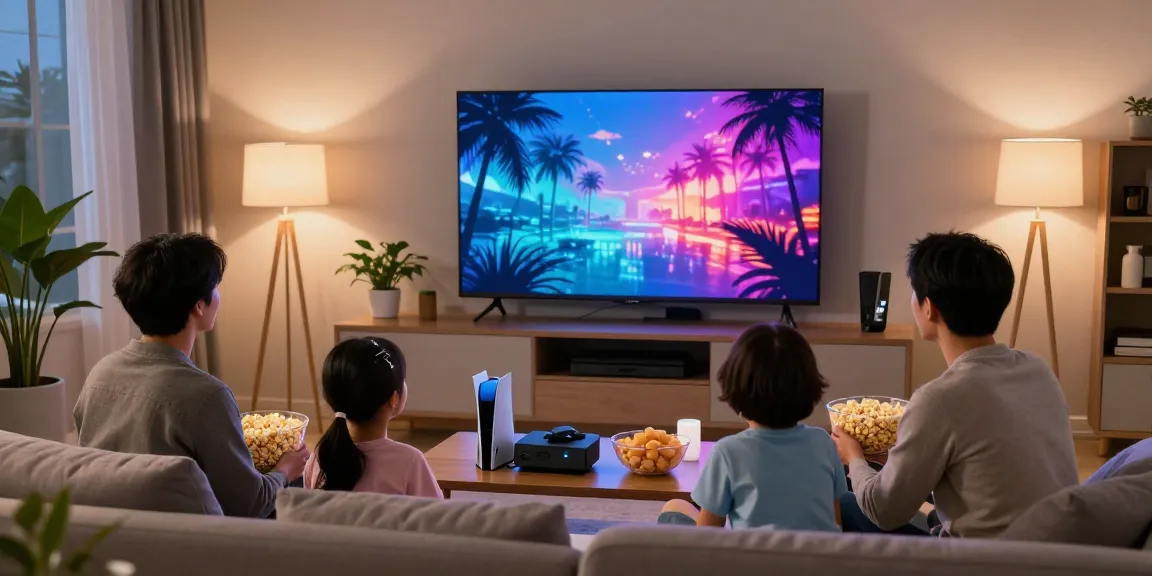
As technology breaks new ground in the realm of home entertainment, mini LED TVs are quickly climbing the ranks as a leading choice for avid viewers. These advanced displays utilize an array of miniature LEDs for backlighting, resulting in stunning picture quality that enhances both color and contrast. For those considering an upgrade to their home viewing experience, exploring the capabilities and options available within the mini LED TV segment is essential. When exploring options, mini LED TV provide comprehensive insights into cutting-edge features and performance benefits that can transform how we engage with our favorite content.
What is Mini LED Technology?
Mini LED technology represents the evolution of traditional LED displays. Unlike standard LED TVs that utilize a limited number of larger LEDs for backlighting, mini LED TVs pack thousands of tiny LEDs behind the screen. This innovative approach allows for more precise control over brightness and contrast levels, resulting in deeper blacks and brighter highlights. Each mini LED can be controlled individually, providing a more dynamic picture and richer color reproduction than ever before.
How Does Mini LED Compare to Traditional LCD and OLED?
When comparing mini LED to traditional LCD and OLED technologies, several distinctions arise. Mini LED excels in brightness and contrast thanks to its advanced backlighting. While OLED screens offer deeper blacks due to their self-emissive pixels, mini LED is closing the gap with localized dimming capabilities, making it a formidable competitor. Traditional LCD technologies, which rely on larger LEDs, are often outperformed by mini LED in terms of color accuracy and viewing angles. Therefore, consumers looking for the best display technology available may find mini LED to be the perfect balance between performance and affordability.
Benefits of Mini LED TVs for Home Entertainment
One of the primary advantages of mini LED TVs is their ability to deliver exceptional picture quality in various viewing environments. They are well-suited for bright rooms due to their impressive brightness levels, making them ideal for daytime viewing. Moreover, the enhanced contrast capabilities offered by mini LEDs contribute to a more immersive viewing experience, especially for high dynamic range (HDR) content. Additionally, mini LED TVs often come with advanced gaming features, such as low input lag and high refresh rates, enhancing the gaming experience for enthusiasts.
Top Mini LED TVs of 2026
As the year unfolds, several mini LED TVs have already made headlines by offering remarkable features and performance. With a diverse range of options available, there is likely a model to suit every viewer’s preferences and budget.
Best High-End Mini LED TVs
For those willing to invest in top-tier display technology, high-end mini LED models like the Sony BRAVIA XR and the Samsung Neo QLED series offer unparalleled picture quality and extensive smart features. These models often include advanced gaming options and support for multiple HDR formats, ensuring an exceptional viewing experience for movies, sports, and gaming alike.
Mid-Range Mini LED Options
Mid-range mini LED TVs provide an excellent balance between performance and price. Models such as the LG QNED series and the TCL 6-Series deliver impressive color accuracy and brightness, making them suitable for a variety of content types. These TVs often feature smart functionality, allowing users to access popular streaming services seamlessly.
Budget-Friendly Mini LED Finds
For those on a budget, there are still plenty of capable mini LED options available. Brands like Hisense and Vizio offer affordable mini LED models that still pack a punch in terms of picture quality and features. These TVs are a fantastic choice for casual viewers looking to enhance their home entertainment without breaking the bank.
Choosing the Right Size for Your Mini LED TV
When selecting a mini LED TV, size should be a primary consideration. The right size not only enhances the viewing experience but also complements the room’s layout and aesthetics.
Factors to Consider When Selecting Size
There are several factors to consider when determining the ideal size for your mini LED TV, including room dimensions, viewing distance, and the type of content you consume. A larger screen may be preferred for cinematic experiences, while smaller models might suffice for casual viewing in compact spaces.
Popular Size Options and Their Uses
- 43-55 inches: Ideal for bedrooms or smaller living rooms.
- 65 inches: Perfect for average-sized living rooms, allowing for immersive viewing of movies and sports.
- 75 inches and above: Recommended for large spaces where viewers can sit further back for the best experience.
Understanding Viewing Distance for Optimal Experience
The distance between the viewer and the TV can influence viewing comfort. Generally, the larger the screen, the further back you should sit to avoid eye strain. A distance of 1.5 to 2.5 times the diagonal screen size is recommended for optimal viewing.
Setting Up Your Mini LED TV
Success with your mini LED TV often begins with proper setup. Ensuring that it’s installed correctly and optimized for viewing can significantly enhance your experience.
Essential Accessories for Your Mini LED TV
To get the most out of your mini LED TV, consider investing in essential accessories such as:
- Mounting brackets: For wall-mounted setups, a sturdy bracket is essential.
- Soundbars: Enhance your audio experience with a compatible soundbar that complements the TV’s audio capabilities.
- HDMI cables: Ensure you’re using high-speed HDMI cables to support 4K and HDR content.
Best Practices for Installation and Viewing
When installing your mini LED TV, aim for eye level when seated for the best viewing experience. Additionally, consider the room’s lighting; position the TV away from glare-inducing windows and use curtains or shades to control ambient light.
Troubleshooting Common Setup Issues
If you encounter issues while setting up your mini LED TV, common problems may include connectivity issues, picture quality settings, and sound calibration. Refer to the user manual for specific troubleshooting steps, or consult online forums for shared experiences and solutions.
Future Trends in Mini LED Technology
The landscape of mini LED TV technology is continuously evolving, promising exciting advancements in the coming years. As manufacturers compete for supremacy in the display market, several trends are worth watching.
Predictions for Mini LED TVs Beyond 2026
Looking beyond 2026, we can expect further refinements in mini LED technology, including enhanced backlight control for improved picture quality and reduced blooming effects. Manufacturers are likely to invest more in integrating AI-driven features to enhance visual performance tailored to the viewer’s preferences.
Innovations to Expect in Home Entertainment
The next generation of home entertainment solutions will likely venture into immersive technologies, such as augmented and virtual reality. Mini LED displays may be adapted to provide more interactive and engaging viewer experiences, pushing the boundaries of traditional viewing.
How Mini LED Technology is Evolving with Smart Features
As smart TVs become increasingly ubiquitous, the integration of mini LED technology with advanced smart features will likely improve significantly. Expect better compatibility with smart home ecosystems, voice control, and enhanced user interfaces that make navigation effortless.
What is the Future for Mini LED vs. Other TV Technologies?
The competition among TV technologies will remain fierce. While OLED will continue to excel in delivering superior blacks, mini LED is poised to capture a significant market share due to its affordability, brightness, and improved performance. Innovations in mini LED technology may eventually bridge the gap between these two competing technologies.
What are the advantages of a Mini LED TV?
The advantages of mini LED TVs include superior brightness and contrast levels, vibrant color reproduction, and enhanced HDR performance. They are also more energy-efficient compared to traditional LED displays, making them a solid investment for the eco-conscious consumer.
How does Mini LED compare to OLED and QLED?
In comparison to OLED, mini LED excels in brightness but may not achieve the same depths of black. Meanwhile, QLED offers great color accuracy and brightness but falls short in terms of viewing angles. Mini LED presents a balanced approach, offering benefits from both technologies while addressing some of their limitations.
Can Mini LED TVs support high dynamic range (HDR)?
Yes, mini LED TVs are well-equipped to support HDR standards, allowing viewers to experience a broader range of brightness and colors. Many high-end models are compatible with multiple HDR formats, enhancing the overall viewing experience for compatible content.
Are there any brands to avoid with Mini LED TVs?
While most major brands have entered the mini LED market, it’s advisable to conduct thorough research before purchasing. Some lesser-known brands may offer subpar customer service or lower-quality components, making it essential to read reviews and ratings from reliable sources.
How do I maintain my Mini LED TV for longevity?
To ensure the longevity of your mini LED TV, regularly clean the screen with a microfiber cloth and avoid using harsh chemicals. Ensure that the TV is well-ventilated to prevent overheating, and consider using a surge protector to safeguard against electrical issues.