
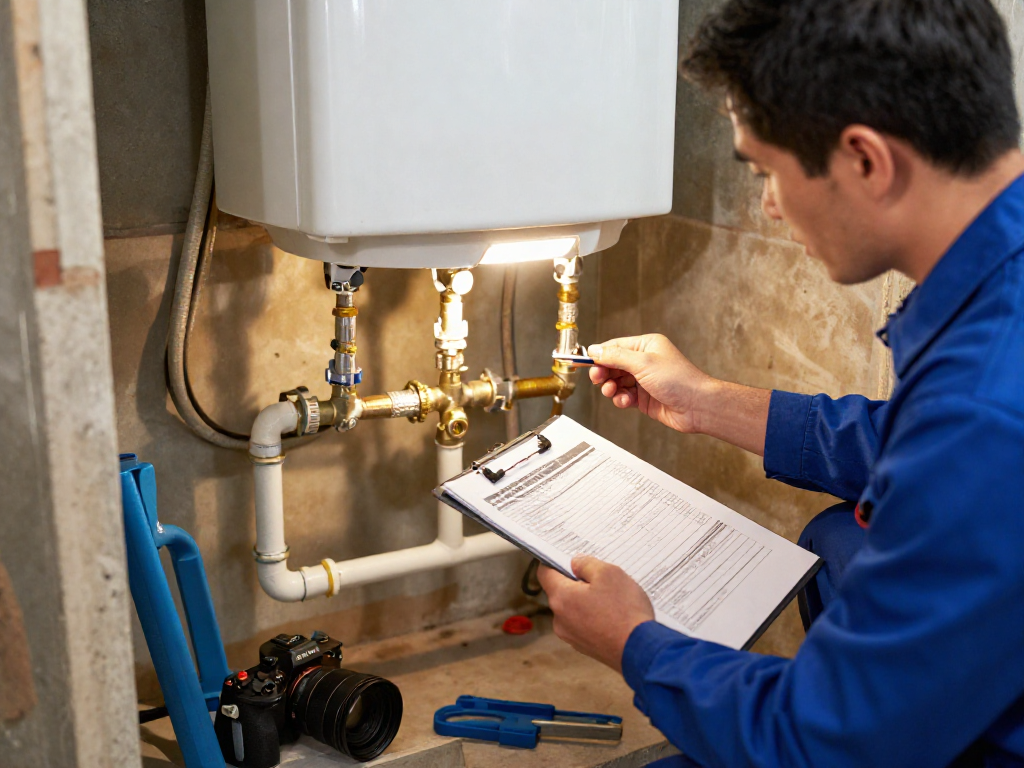
Understanding Water Heater Replacement Needs in Fort Worth
As a homeowner in Fort Worth, understanding when to replace your water heater is crucial for maintaining your home's comfort and efficiency. Water heaters are not just appliances; they are essential components that affect your daily life, from showering and cooking to cleaning and heating your home. Recognizing the signs that indicate a need for replacement can save you from unexpected failures and costly repairs. When exploring options, water heater replacement Fort Worth services can provide comprehensive insights to help you make informed decisions quickly.
Common Signs Your Water Heater Needs Replacement
Water heaters, like all appliances, have a finite lifespan. Typically, conventional tank water heaters last about 8-12 years, while tankless models may last up to 20 years. Here are some common signs your water heater may be due for replacement:
- Age: If your water heater is nearing the end of its expected lifespan, it's time to consider a replacement.
- Inconsistent Water Temperature: If you're frequently experiencing lukewarm or cold water, it may indicate that your heater is failing.
- Rusty Water: Discolored or rusty water can indicate corrosion inside the tank, meaning it’s time for a new water heater.
- Strange Noises: Odd sounds, such as popping or rumbling, can signal sediment buildup or other issues necessitating replacement.
- Water Leaks: Any signs of leakage around your water heater should prompt immediate inspection and possible replacement.
Evaluating Repair vs. Replacement Options
When your water heater demonstrates concerning symptoms, you'll face the decision of whether to repair or replace it. Consider factors such as:
- Cost of Repairs: If repairs exceed 50% of the cost of a new unit, replacement is often more economical.
- Frequency of Repairs: If you find yourself repairing the unit frequently, replacing it may offer greater long-term savings.
- Energy Efficiency: Newer models tend to be more energy-efficient, which can translate into lower utility bills over time.
Why Timeliness Matters in Water Heater Replacement
Delaying the replacement of a failing water heater can lead to more significant issues, including extensive water damage and higher repair costs. Timely replacement ensures you avoid emergency situations and the stress associated with sudden failures. Additionally, a new water heater will often be more efficient, saving you money in the long run.
Choosing the Right Water Heater for Your Home
Selecting the appropriate water heater involves understanding the different types available, as well as your household's specific needs.
Types of Water Heaters: Pros and Cons
There are several types of water heaters, each with its unique advantages and disadvantages:
- Conventional Tank Water Heaters: These are the most common type, available in various sizes. They can be cost-effective but take up more space and can lead to energy waste.
- Tankless Water Heaters: Offering on-demand hot water, these units are space savers and energy efficient but typically have a higher upfront cost.
- Heat Pump Water Heaters: These units transfer heat rather than generate it, making them highly efficient but also more expensive to install.
Factors to Consider for Proper Sizing
Proper sizing is essential to ensure your water heater meets your household's demands. Consider the following:
- The number of residents in your home.
- Your peak usage times, such as mornings and evenings.
- The simultaneous demand for hot water (e.g., multiple showers, laundry, etc.).
Energy Efficiency Ratings: What You Need to Know
Look for the Energy Factor (EF) rating when selecting a water heater. Higher ratings indicate better efficiency, leading to lower energy costs. Water heaters with the ENERGY STAR label offer significant savings and are a wise investment for the environmentally conscious homeowner.
Preparing for Your Water Heater Replacement
Preparation is key to a smooth water heater replacement process. This includes asking the right questions and understanding the costs involved.
Key Questions to Ask Your Plumber
When consulting with a plumber, consider asking:
- What type of water heater do you recommend and why?
- What is the expected lifespan of the new unit?
- Can you provide a detailed quote, including labor and materials?
Understanding Transparent Pricing and Costs
Transparency in pricing is crucial to avoid unexpected expenses. A reputable plumber will provide a straightforward breakdown of costs associated with the installation, including any permits required.
Permits, Codes, and Compliance Requirements in Fort Worth
When replacing your water heater, compliance with local building codes and obtaining the necessary permits is essential for safety and legality. Your plumber should handle this, but it's good practice to familiarize yourself with local regulations.
Installation Process: What to Expect
Understanding what to expect during the installation process can alleviate potential stress and confusion.
Step-by-Step Guide to Water Heater Replacement
- Preparation: Ensure the installation area is clear and accessible.
- Drain the Old Unit: The plumber will safely drain the existing water heater.
- Install the New Unit: Connections will be made to ensure proper functioning, following local codes.
- Test the System: The plumber will test the new water heater to ensure it's working correctly.
Common Installation Challenges and Solutions
Some common challenges may include:
- Space Constraints: Older homes may have limited space, requiring creative solutions for placement.
- Existing Plumbing Adjustments: The need to adjust existing plumbing can add complexity and cost to the installation.
Post-Installation: Maintenance Tips to Extend Lifespan
To extend the life of your new water heater, consider the following maintenance tips:
- Flush the tank annually to remove sediment buildup.
- Check the anode rod every couple of years.
- Schedule regular inspections with a qualified plumber.
Emergency Plumbing Situations: Acting Fast
In emergencies, quick action is vital to minimize damage and ensure safety.
Handling Emergency Leak Situations Before Replacement
If you experience a significant leak, shut off the nearest water valve or the home's main water supply immediately. This can prevent further damage while you await professional help.
24-Hour Plumbing Services: How to Access Help
Access to 24-hour plumbing services is crucial for emergencies. Know your local resources, including reliable plumbing companies that can assist you swiftly.
Customer Reviews: Reliable Service in Fort Worth
Consumer reviews can guide you in selecting a reliable plumbing service. Look for consistently positive feedback regarding responsiveness, quality of work, and customer service.
What is the average lifespan of a water heater?
The average lifespan of a conventional water heater is typically 8-12 years, while tankless units can last up to 20 years with proper maintenance.
How do I know if I need a tankless water heater?
If you have high hot water demands and are limited on space, a tankless water heater may be beneficial. It's ideal for families that require simultaneous hot water usage, such as multiple showers and appliances running at once.
What should I do in a plumbing emergency?
In a plumbing emergency, turn off your water supply, avoid using electrical appliances in wet areas, and contact a 24-hour plumbing service for immediate assistance.
How can I choose a reliable plumbing service in Fort Worth?
Look for licensed, insured plumbers with positive customer reviews and transparent pricing. Recommendations from friends and family can also be helpful.
What are the signs of a plumbing emergency?
Signs of a plumbing emergency include severe leaks, sewage backups, no hot water, and any major water-related issues that can cause structural damage to your home.